
Remembering 9/11: LTC John Flach on the Climb to Remember
Each year, the No Fear Battalion brings the Wake Forest and Winston-Salem communities together to honor the 2,977 people who lost their lives on Sept. 11, 2001. The Climb to Remember offers participants the opportunity to walk or run 2,977 stairs at Allegacy Stadium, with each stair representing one of the victims. Participation in the climb is optional, and community members are welcome to come together for the opening remarks, national anthem and moment of silence. Now in its 25th year, the event brings together students, first responders, veterans and other members of the community to remember those lost, reflect on the lasting impact of 9/11 and participate in a shared act of remembrance.
This year’s Climb to Remember will take place Friday, Sept. 11, with gates opening and check-in beginning at 6 a.m. and the climb beginning at 6:30 a.m. Register to participate.
Ahead of the event, Lieutenant Colonel John Flach, professor of military science, shares what this tradition means to him, how it brings people together and why it continues to hold significance.
Q&A with Lieutenant Colonel John Flach
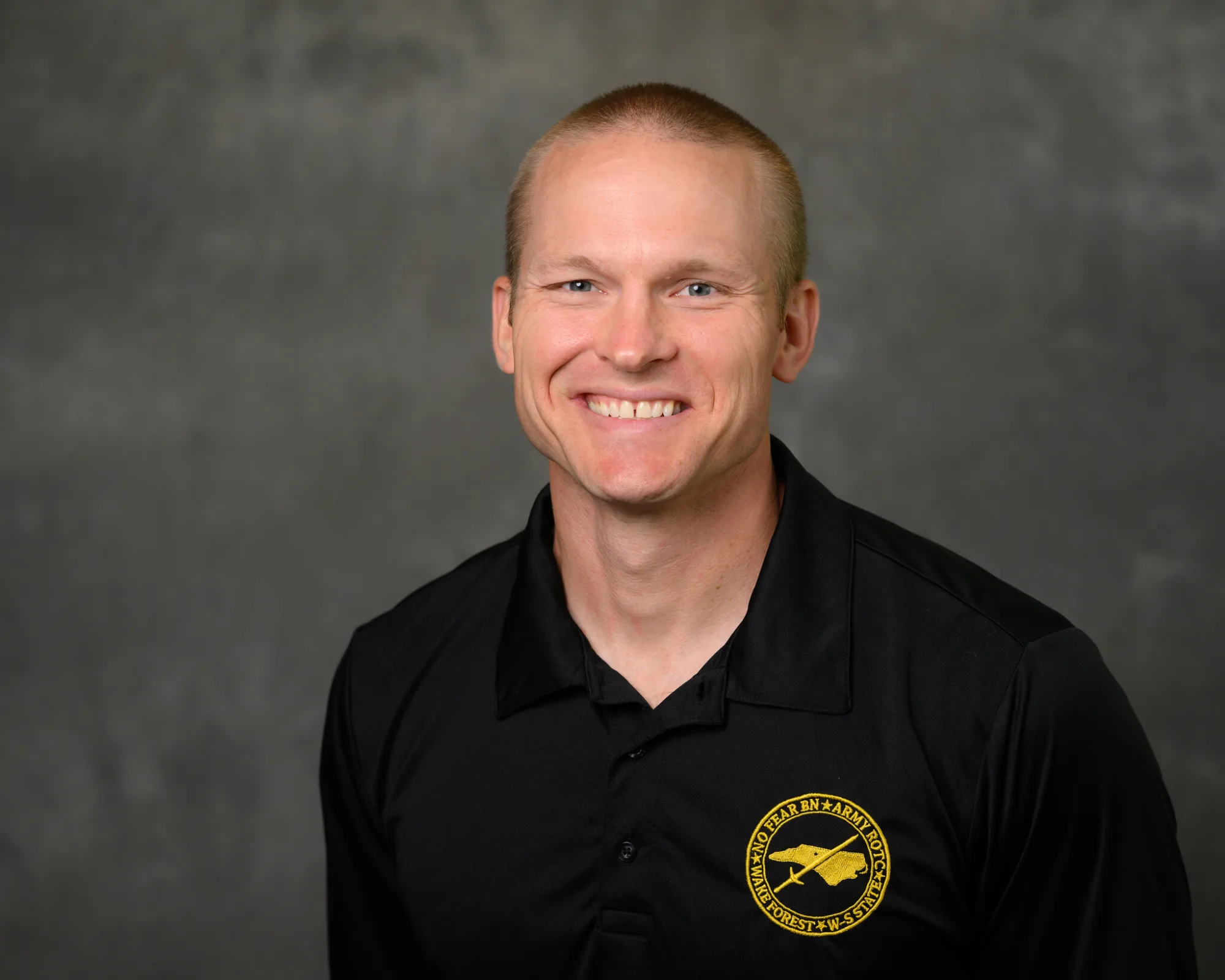
1.) What do you remember about Sept. 11, 2001? Where were you, and what do you remember most vividly about that day?
I was in high school in 2001, in speech class, and we were just about to start. I already knew that I wanted to serve in the Army. That was already a path I had selected, but not with the same level of commitment and purpose that I had after Sept. 11.
The teacher stopped class and turned on the TV in the classroom.
Nobody really knew what was going on. We thought this was a tragic accident. Then we saw that second plane hit the tower, and you could just feel the air leave the room.
We all realized, “This is something else. This is not an accident. This is an active targeting.” Watching the developments over the course of the day, the Pentagon getting hit, the flight going down in Pennsylvania, and then watching the towers fall on television, you knew immediately that this changes everything about the future. I think of it as Pearl Harbor, a day that will live in infamy.
2.) How long have you been involved with the Climb to Remember? What makes the event meaningful to you?
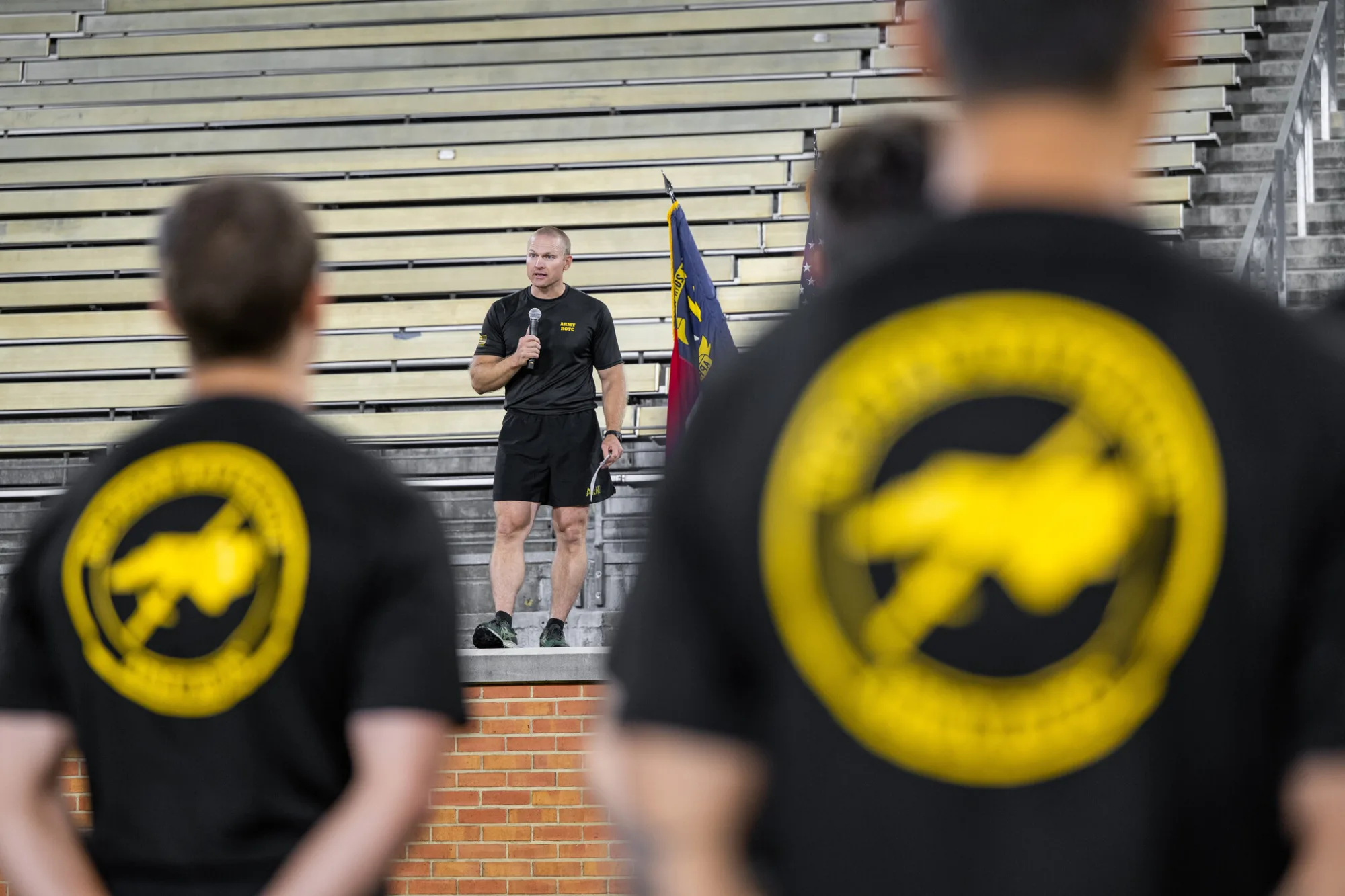
I joined the Wake Forest faculty in 2023, so I’ve been to the Climb to Remember since then. This will be my fourth Climb to Remember here at Wake Forest. I’ve done some other things over the years to remember 9/11, but this is really meaningful for me because of that sense of community, of coming together and being there for each other. Even if all that means is that maybe I can’t do something tangible to help the person to my left or my right who might be struggling with this memory or with a loss, sometimes it’s just about being there and standing up and saying, “I remember you. I support you.”
By the end of the climb, your legs are going to be hurting a little bit and you’re going to want to quit, but you push yourself to dig a little deeper for the people who wish they were there by your side doing it, but aren’t able to. Some of that pain is meaningful because it helps us remember the loss those families feel.
3.) The event brings together Wake Forest, WSSU, Salem College and members of the Winston-Salem community. What does this level of shared remembrance reflect about the impact of 9/11?
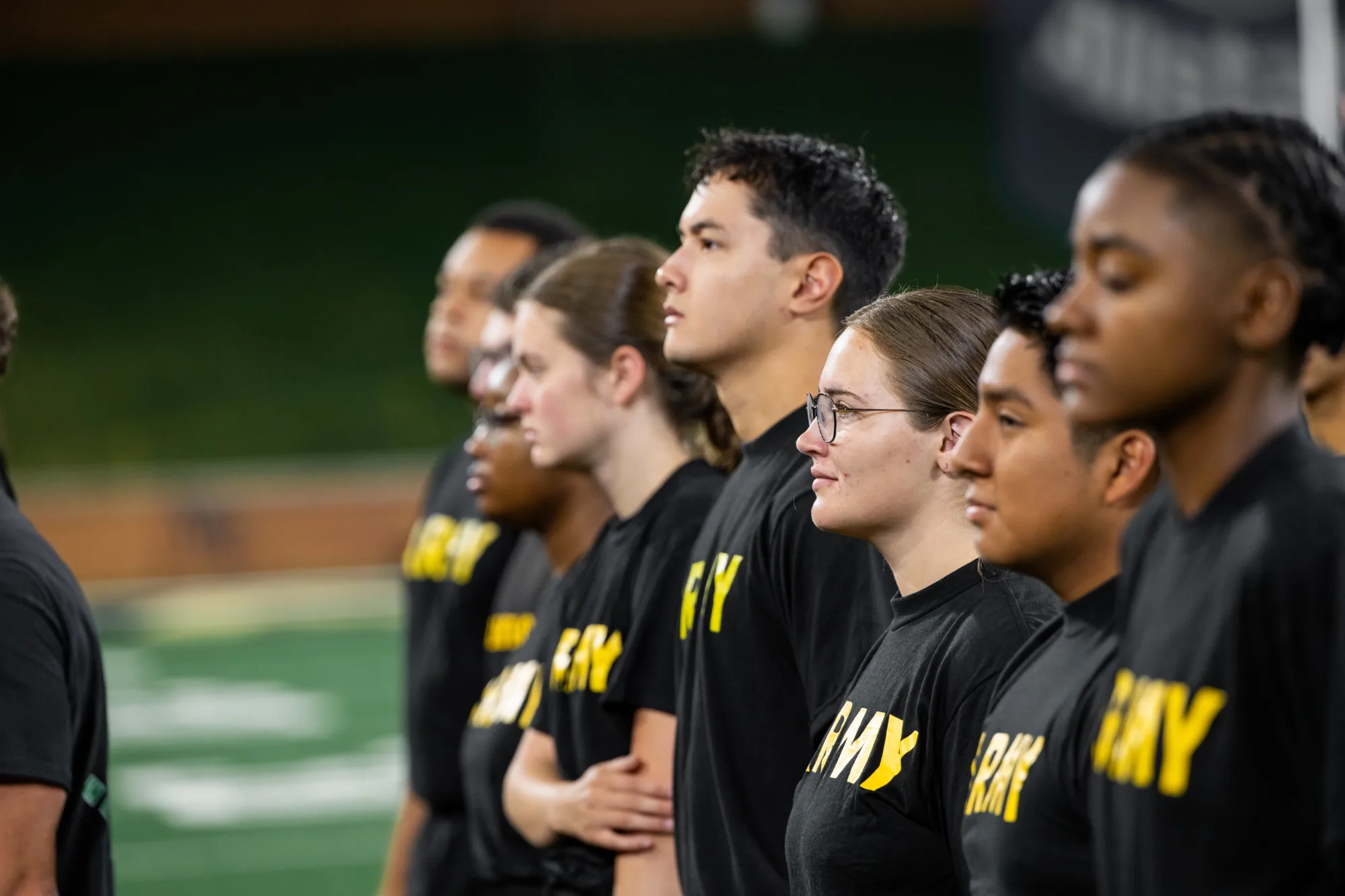
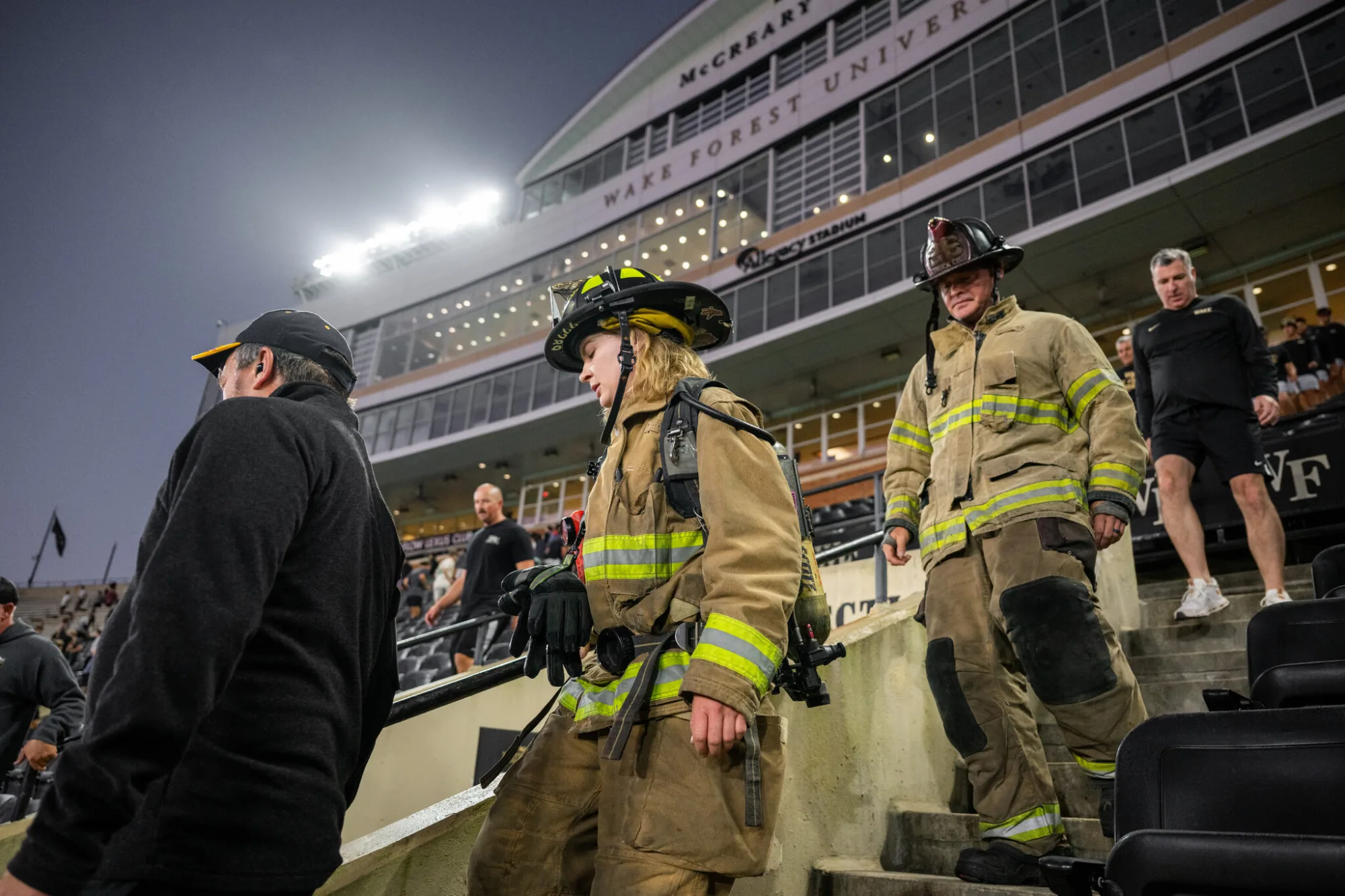
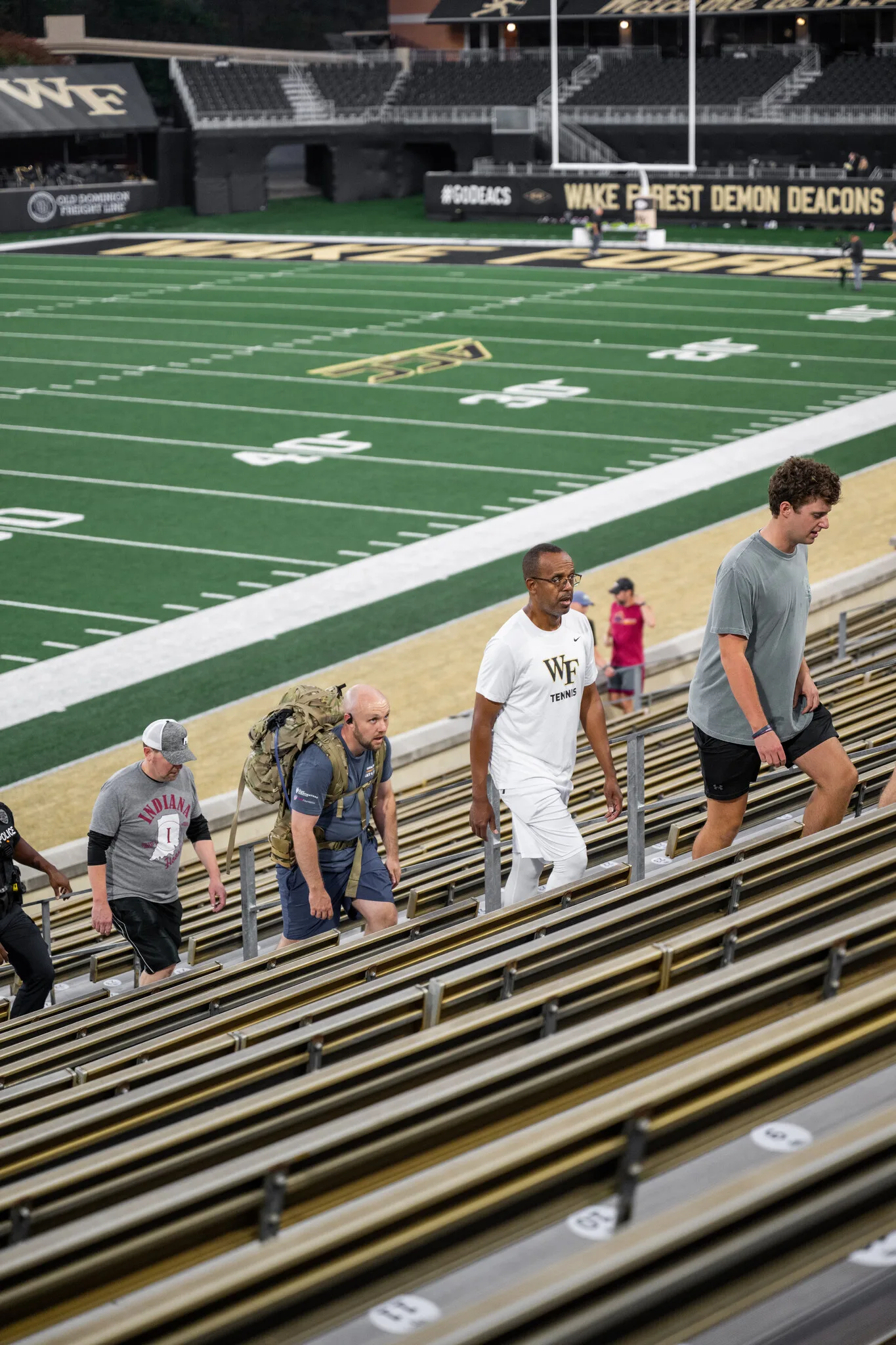
I think it’s a good example of how this brings us together regardless of political ideology, socioeconomic background, race, gender or creed. All of us can feel this sense of loss and remembrance for these individuals. This is particularly meaningful for our first responder brothers and sisters because they were so deeply connected to those firefighters, police officers and EMTs who responded to the attacks, many of whom subsequently lost their lives.
The unity is really incredible to be a part of. If you get to come and participate in the Climb to Remember, it really is special to see all those people come together with a single common purpose in honor of someone else that many of them, if not all of them, didn’t know on a personal level, but still want to show support for.
The event brings together students, faculty and staff. Most of the cadets I work with weren’t even born when 9/11 happened, but it has impacted aspects of their lives. The Wake Forest Police Department, Forsyth County Police and Fire Department, and our Veterans of Foreign Wars and American Legion teammates will all be out and represented. Seeing all of these different groups come together for the same purpose is what makes the Climb to Remember so special.
4.) What have you heard from participants or experienced yourself during the Climb that has stayed with you?
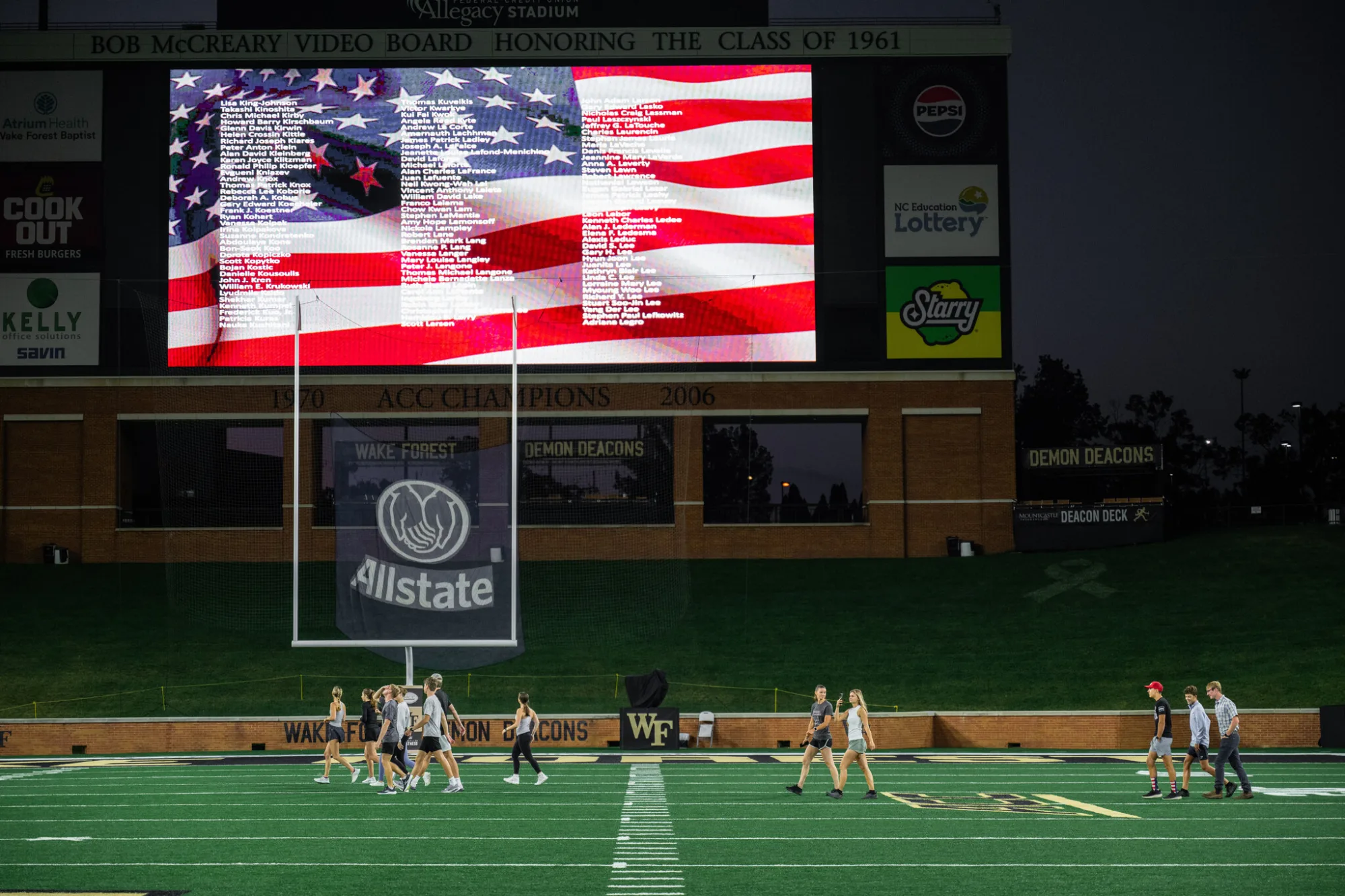
You can get into your own feelings as you’re going up and down those steps, and you can start to focus on the physical aspect of it. Then, every time you lift your eyes up, the stadium screen is playing the list of names of the folks who would love to be there alongside us. Their families would love to have them there alongside them.
Every time you start to think about yourself, you get drawn back to that sense of something outside of you and the loss of others.
As you’re finishing the climb, the sun starts to rise above the horizon at Allegacy Stadium. For me, that always reminds me again of that national response: “We’re down, but we’re not out. This is not the end.” This is certainly a loss that we feel deeply, but the nation will continue to rise.
5.) What can participants expect beyond the climb itself? Are there speakers, performances or other moments of remembrance planned for this year’s event?
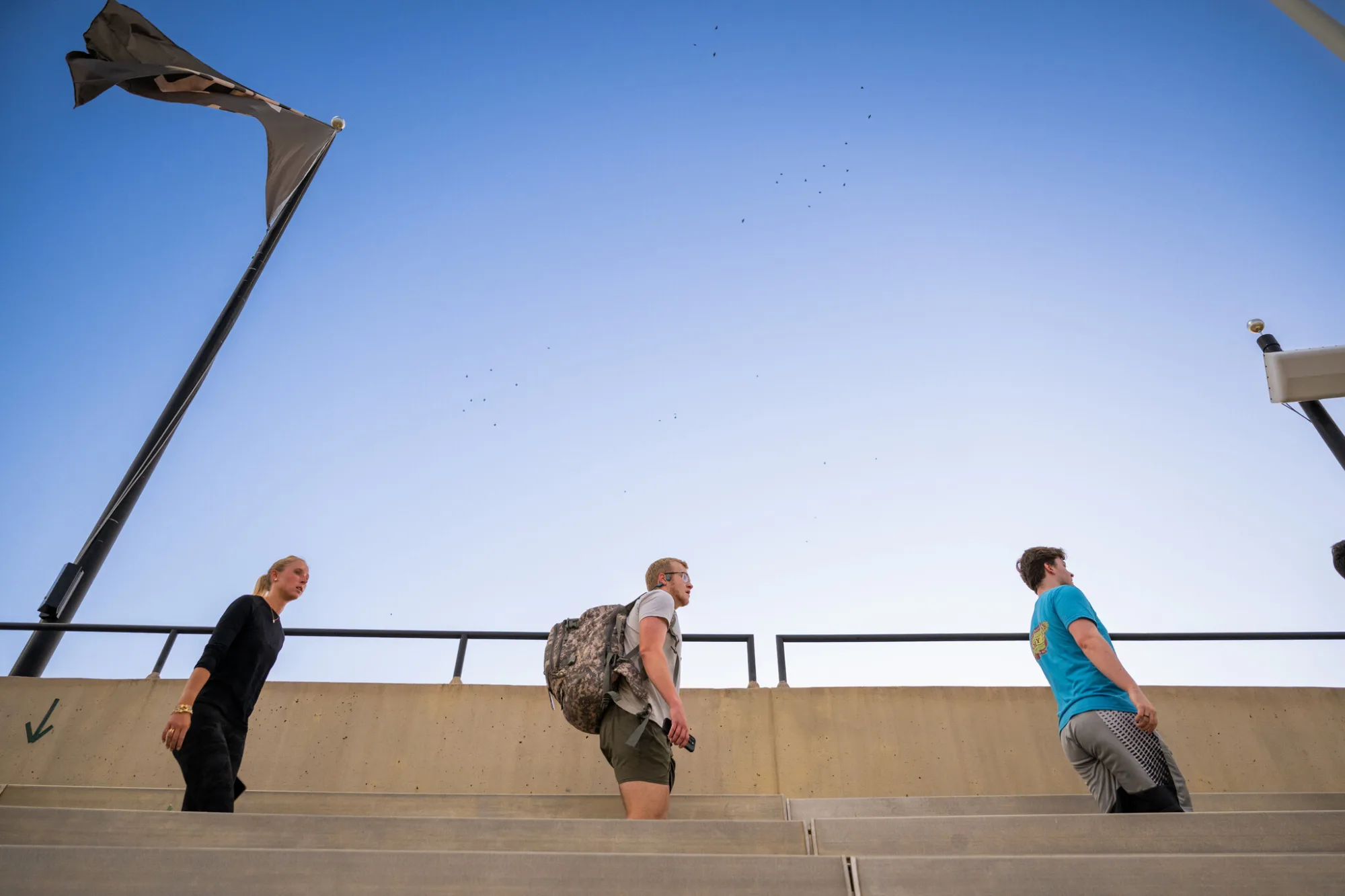
We always start with some comments to remind us why we are there and the significance of this moment in history. We always want to remember the reason we climb.
After the opening remarks, we invite everyone to join in a moment of silence to honor the fallen. Then we play the national anthem as a remembrance of that national identity that this event helps to solidify. Our student leaders will give some logistical instructions and then we start climbing together.
Destiny Bryant, a senior from Winston-Salem State University, and Cadet Charli McCaskill, a sophomore at Wake Forest, are the lead planners for this year’s event.
6.) What would you say to someone who wants to participate but may not be able to complete the climb?
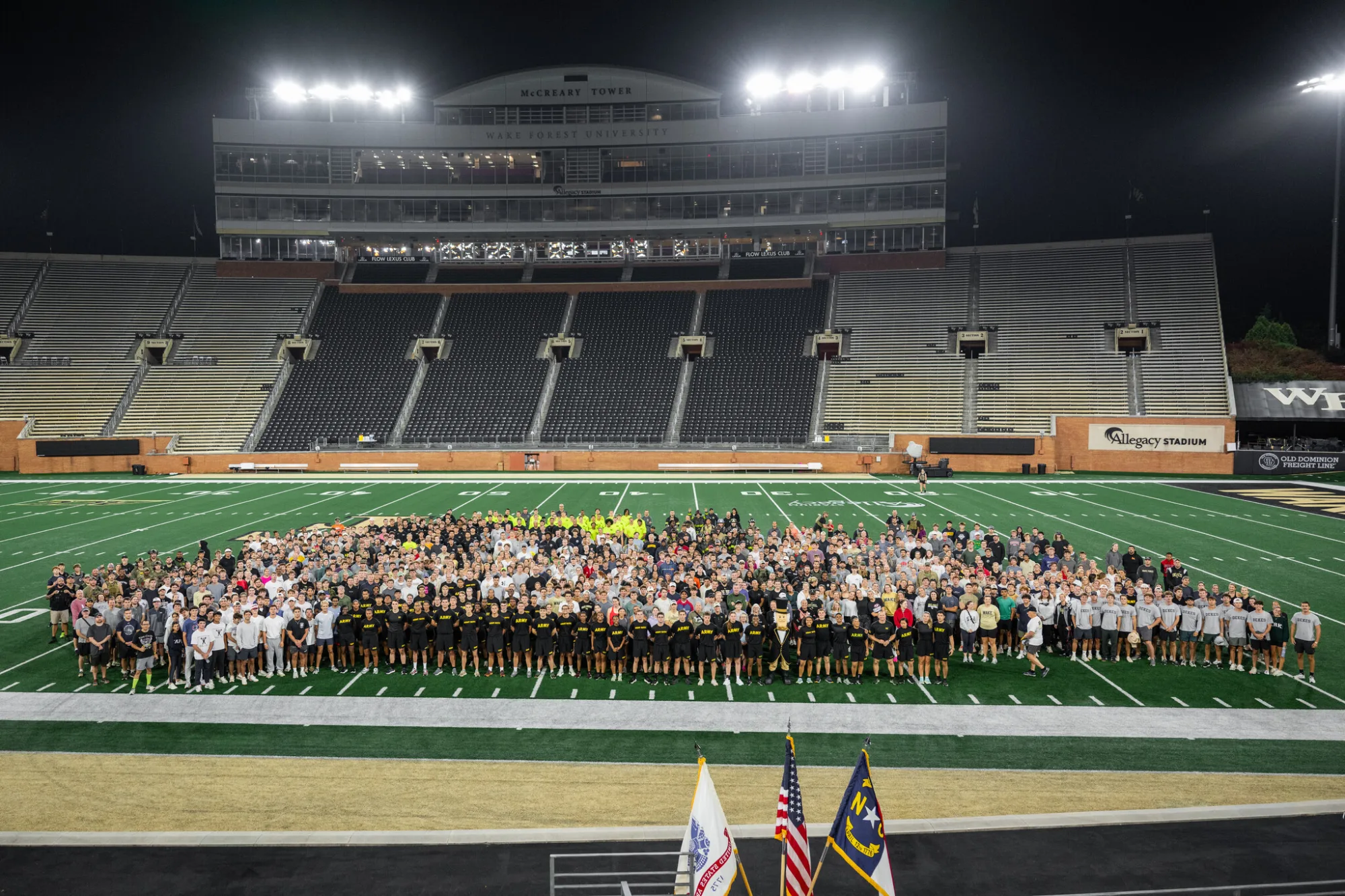
We would just encourage everybody to come out, regardless of physical capabilities. Come out and join us, even if you’re just there. Sometimes it just matters to be there and say, “I see you, and I’m here for you.”
If you aren’t up to climbing 2,977 steps, then come out and climb one step to show that sense of unity, togetherness and remembrance. Even if it’s getting out of bed in the morning and coming out to be there for the opening comments, the national anthem and that moment of silence, if that’s how you feel most inspired to remember, then come and do that with us.
Don’t let the physical aspect of this event, which is completely optional, prevent you from coming together with the community to remember the fallen.
Categories: Happening at Wake, University Announcements