
Wake Forest achieves 100% renewable electricity
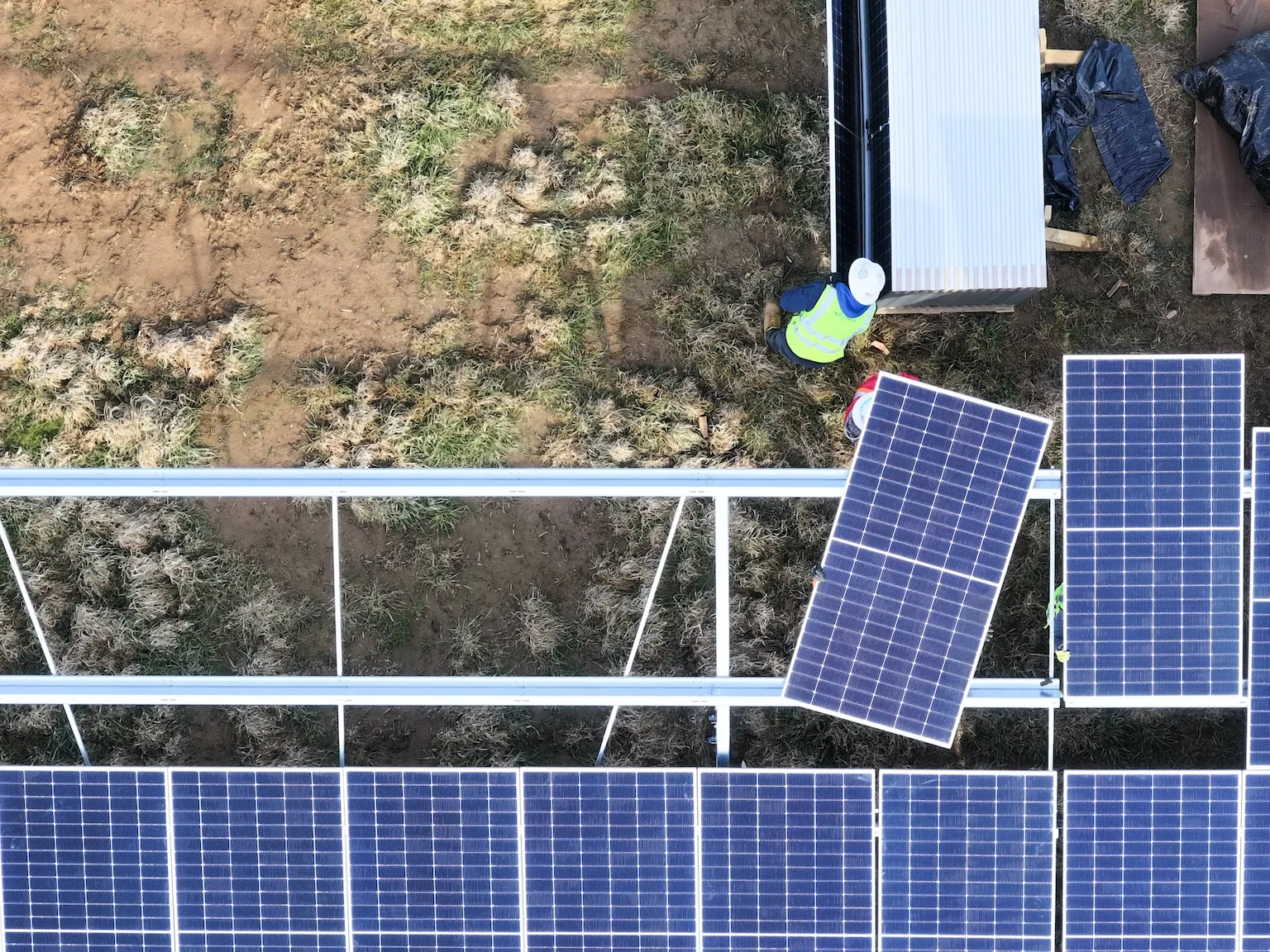
A subsidiary of NextEra Energy Resources, LLC developed the Sebree Solar II Energy Center in Henderson County, Kentucky; the project became operational on Aug. 7, 2026, fulfilling Wake Forest University’s commitment to 100% renewable electricity through a Renewable Power Purchase Agreement (RPPA).
With the solar energy center now live, Wake Forest hits a key milestone in phase two of its Climate Action Plan, advancing the University 75% of the way toward climate neutrality by 2040.
The project, first announced on Earth Day in April 2024, is a joint effort between Wake Forest University and eight other colleges and universities across North Carolina and Pennsylvania: Davidson College, Dickinson College, Elon University, Haverford College, Lafayette College, Lehigh University, Muhlenberg College, and Swarthmore College. The consortium, in coordination with ERM Coho, formed an agreement with developer NextEra Energy Resources to bring this phase of the large-scale solar facility online. By collaborating, the institutions are accessing the benefits of renewable energy through an arrangement typically only feasible for larger customers.
“This solar facility coming online represents the culmination of years of dedicated planning,” said Executive Vice President and Chief Financial Officer Jacqueline A. Travisano. “Our universities play a critical role in a climate resilient future, and this collaborative investment demonstrates that, together, we can take on ambitious goals.”
Powering progress toward climate neutrality
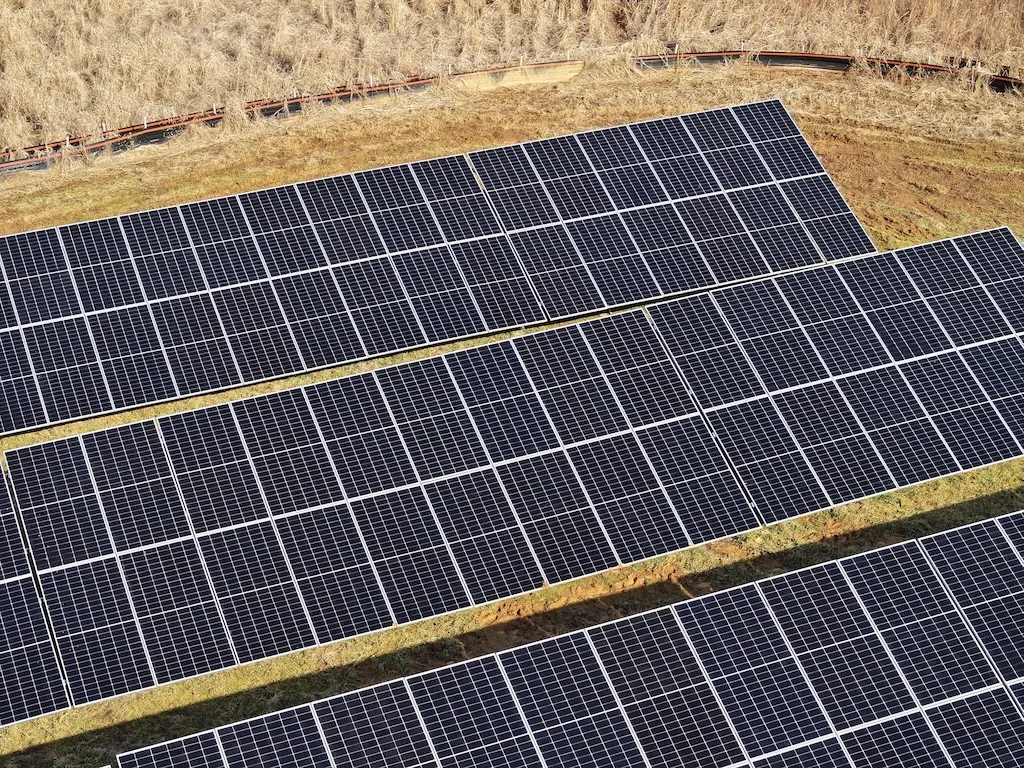
The solar facility has a capacity of up to 150 megawatts. In addition to delivering enough energy annually equivalent to powering more than 20,000 homes, the Sebree Solar II Energy Center will contribute approximately $15.5 million in lifetime tax revenue to Henderson County which can support local schools, roads, and infrastructure.
While geographic distance prevents the direct transmission of the electricity to Winston-Salem, the benefits of adding renewable energy to the U.S. electrical grid will be realized by the institutions. Through the RPPA, Wake Forest is investing in the amount of energy equivalent to 100% of campus electricity usage. In return, the university receives the associated renewable energy attributes in the form of Renewable Energy Certificates (RECs).
“With the growth of data centers and domestic manufacturing, demand for electricity is surging across the U.S.,” said Dedee DeLongpré Johnston, Wake Forest’s Vice President for Institutional Sustainability and Chief Sustainability Officer. “While geographic and regulatory constraints prevent us from siting a production facility next to our campus, the project adds renewable energy to the national grid at this critical time.”
This phase of the University’s climate action plan follows decades of investment in energy efficiency across campus, and marks a 75% reduction in greenhouse gas emissions, from a 2007 baseline. The remaining 25% of campus-based greenhouse gas emissions derive from natural gas-generated utilities, vehicle fuel, refrigerants, and other minor contributors.
Educational benefits and academic opportunities
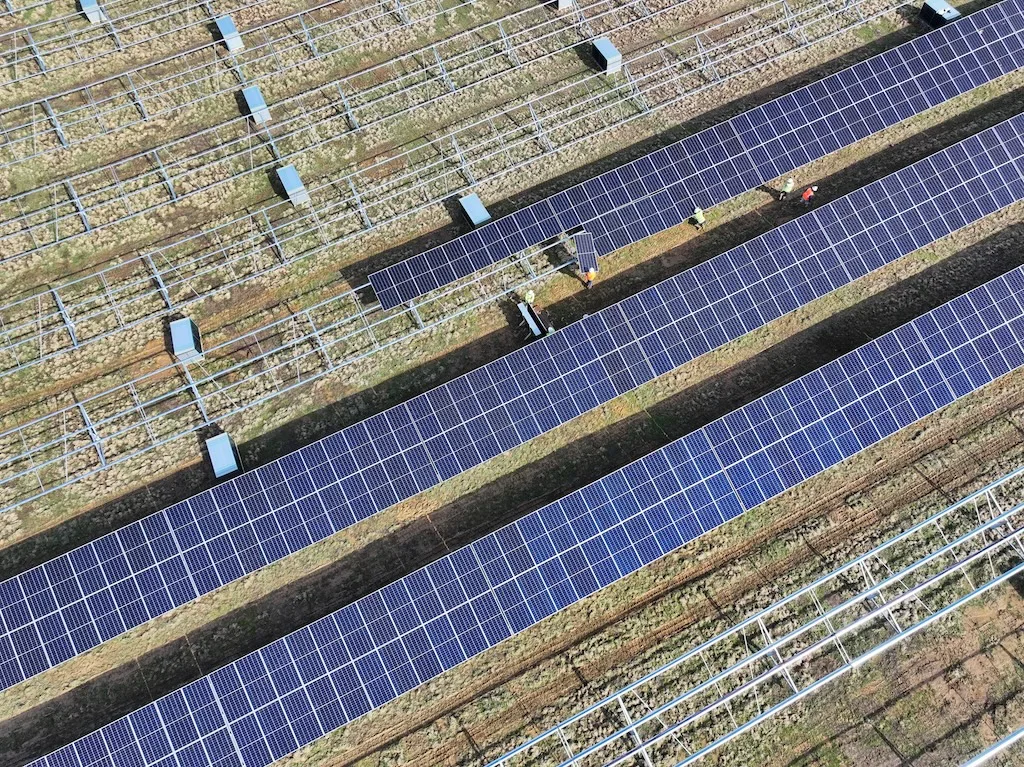
For the Wake Forest community, the solar facility unlocks immediate learning opportunities. Faculty and students have access to live operational data from the solar center for classroom analysis, in addition to opportunities for annual site visits, guest lectures, and student internships with NextEra Energy Resources. Two Wake Forest students interned with NextEra Energy Resources this past summer, a competitive offering generated through the agreement.
“My internship at NextEra Energy Resources gave me the opportunity to apply what I’ve learned at Wake to real world business challenges while gaining exposure to the energy industry,” said Matthew Marsco (‘28), Accounting Major. “It was exciting to see how the company is positioning itself to meet the energy needs of the future while continuing to prioritize sustainable solutions.”
Another Wake Forest student, Economics major Luke Egizio (‘27), has interned with NextEra Energy Resources for the past two summers.
“I’ve had the opportunity to experience two distinct sides of the energy industry through roles in NextEra Energy Resources development and natural gas trading, giving me a well-rounded perspective on the business and energy markets,” Luke said. “Across both teams, I’ve been able to contribute to tangible work while developing real-world skills and seeing firsthand how NextEra Energy Resources balances its commitment to advancing energy infrastructure with the complexities of today’s energy markets.”
To learn more, visit the Office of Sustainability website.