
Wake Wonders: Five ways WakerSpace brings ideas to life
A makerspace is a place to experiment, learn new skills and turn ideas into something tangible. At Wake Forest, WakerSpace offers faculty, staff and students a place to explore their creativity, try new tools and make something useful, whether for a class, a personal project or simply the fun of learning something new.
Here are five things to know about WakerSpace.
1. For every area of study
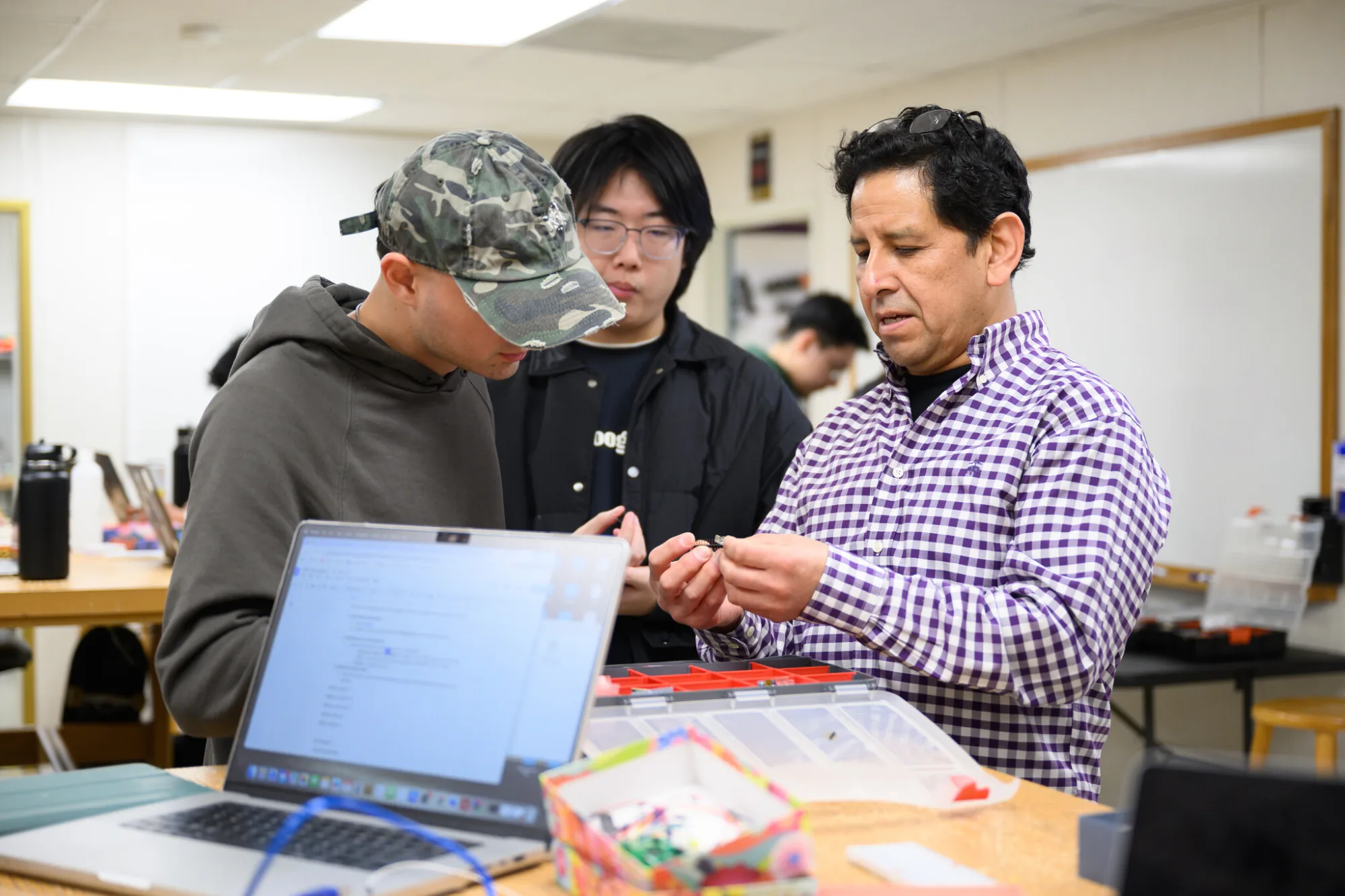
Located on the Reynolda campus, WakerSpace is open to the entire Wake Forest community, not just students. Operating under the Office of the Provost, it was conceived as a resource for the whole University.
Whether a project involves art, engineering, history, music or another field, WakerSpace offers opportunities to explore ideas in hands-on ways. Faculty can also bring students into the space to learn new skills and apply them to coursework.
2. From laser cutters to 3D printers
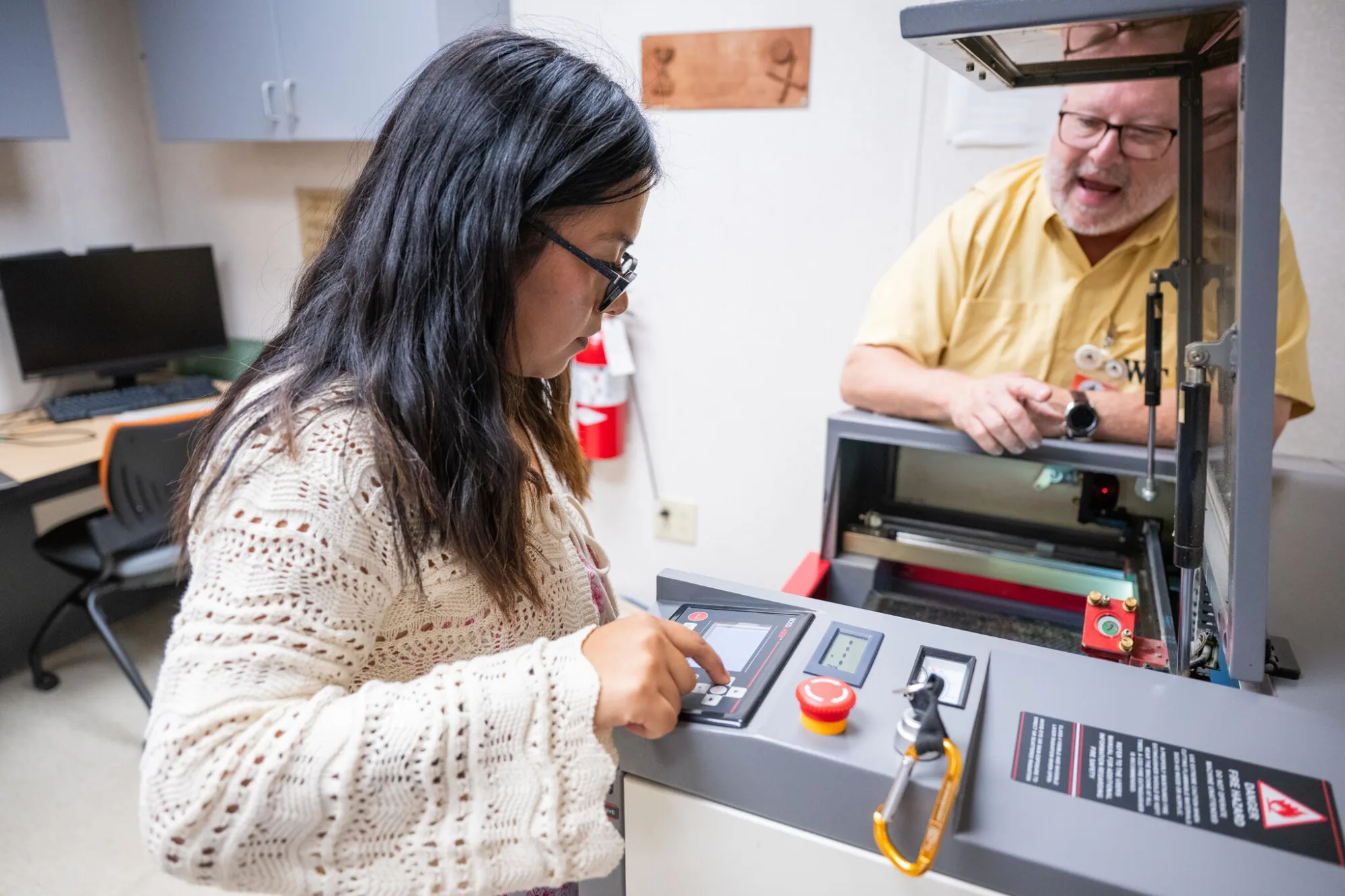
WakerSpace has tools and materials for a wide range of projects. Equipment includes 3D printers, laser cutters, a CNC router, an embroidery machine, sewing machines, a vinyl cutter and T-shirt press, and woodworking tools. There are also supplies for knitting, crocheting, soldering, painting and other arts and crafts.
Materials range from acrylic paints to buttons, giving visitors room to experiment with different techniques and bring projects to life.
3. There’s a podcast studio, too
WakerSpace includes a podcast room with recording equipment and soundproofing to help users create audio content. It’s another option for faculty, staff and students looking to develop a project, share ideas or try a new form of storytelling.
4. Learning beyond the classroom
Faculty can use WakerSpace to connect course concepts with hands-on experiences. Assistant Director of Digital Fabrication and Maker Education Paul Whitener encourages instructors to build projects around learning how to use the equipment.
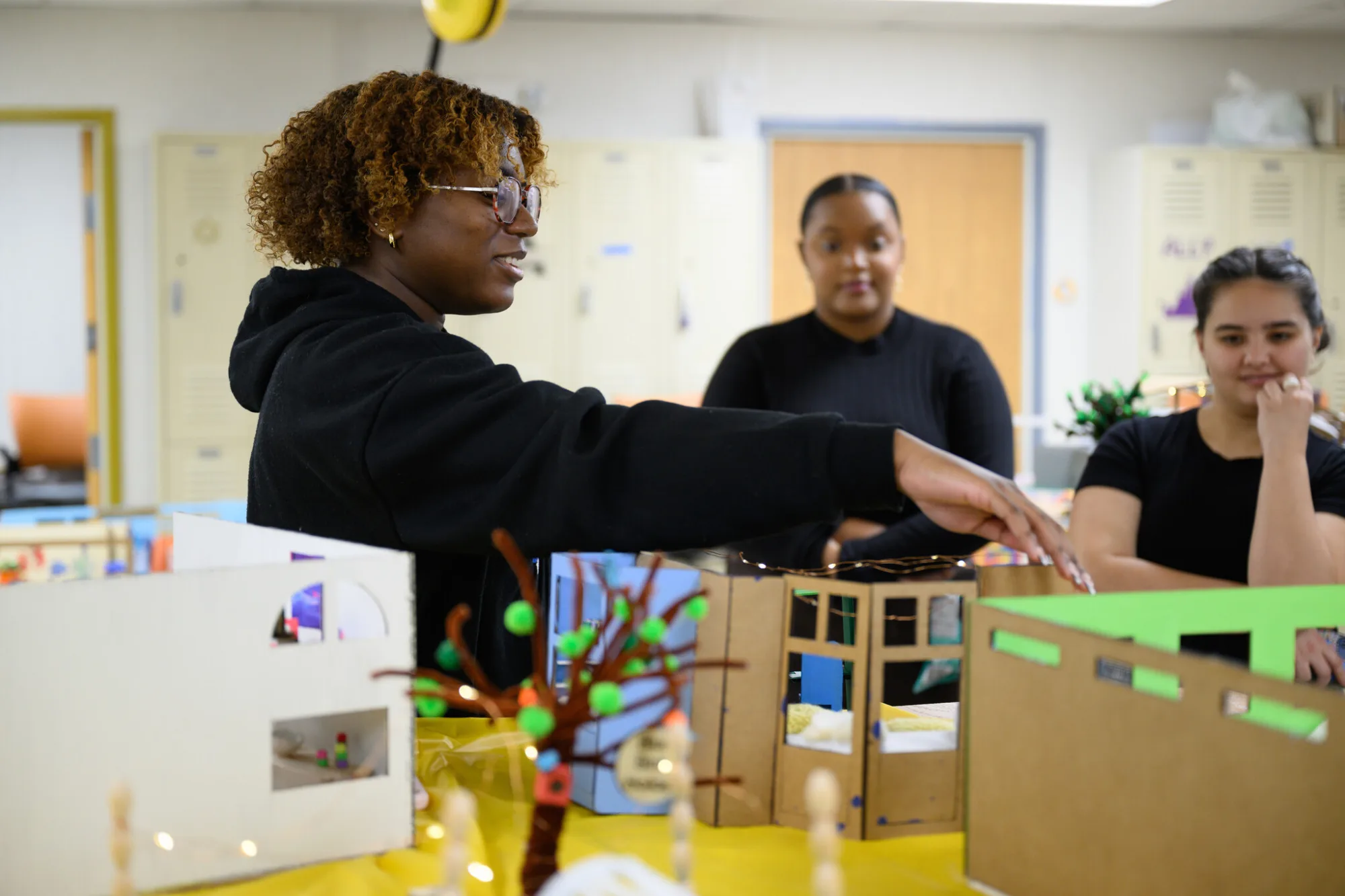
“A great way for faculty to engage with WakerSpace is by making an assignment for the class to come and learn a piece of equipment and utilize it to complete a class assignment,” said Whitener. “For example, an Art History class assignment was to learn 3D printing, then print an architectural piece from a period, say the Eiffel Tower. Another example was a music class turning gourds grown at the Campus Gardens into musical instruments.” Past projects have also included students designing scale models of their ideal learning spaces using laser cutters and 3D printers.
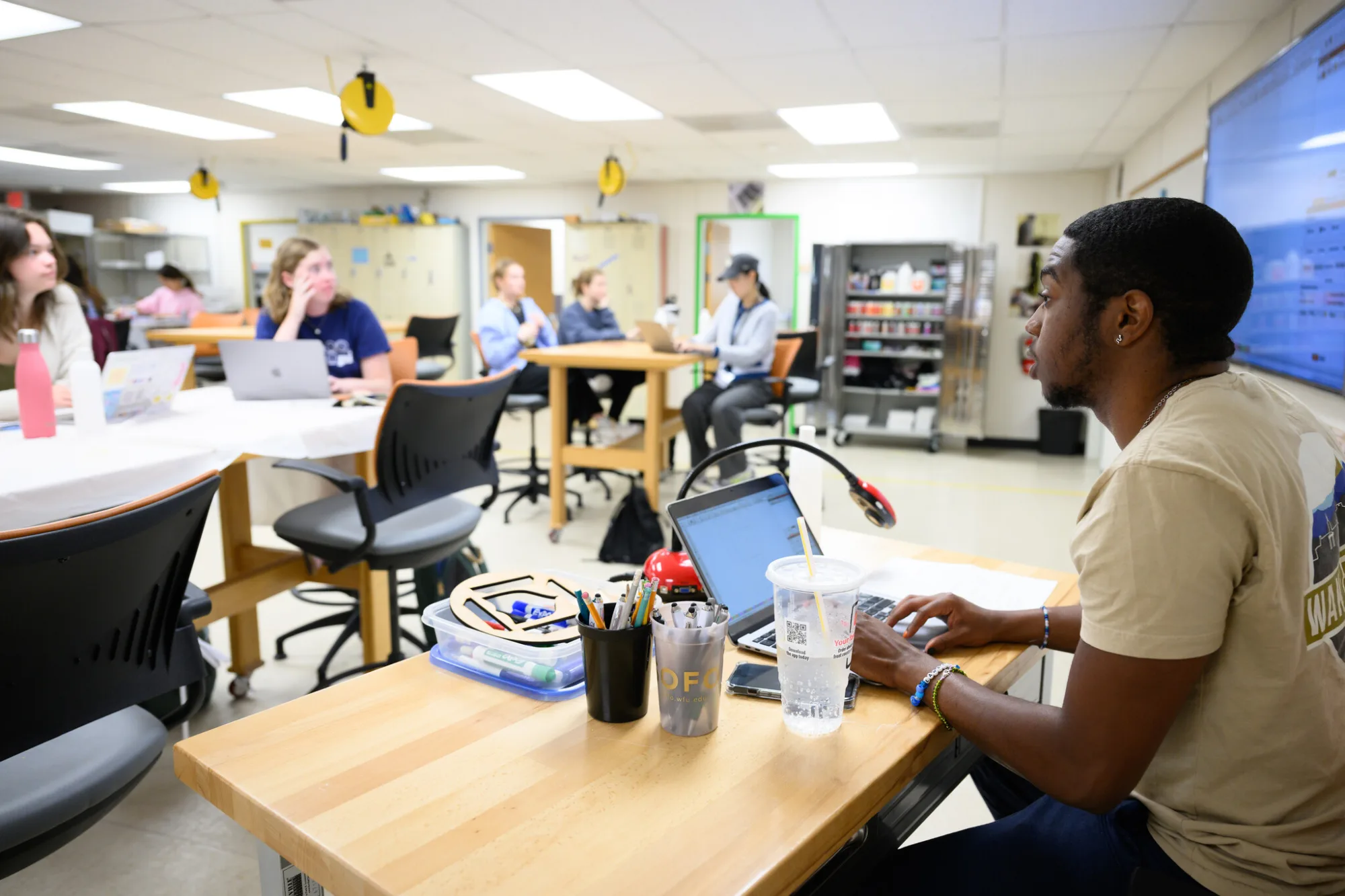
WakerSpace also offers space for instruction, with an indoor classroom that accommodates up to 24 people and an outdoor classroom area for up to 16.
5. Beginners and Pros welcome
You don’t have to be an experienced maker to use WakerSpace. It’s a place to try something unfamiliar, develop a skill and see where an idea leads. A project can be as simple as learning to use a new tool or as involved as creating something from scratch.
As Whitener put it, “The best aspect of WakerSpace is creativity is limitless in its application.”
Categories: University Announcements