
Tricia Clayton named 2026 American Society of Civil Engineers Fellow
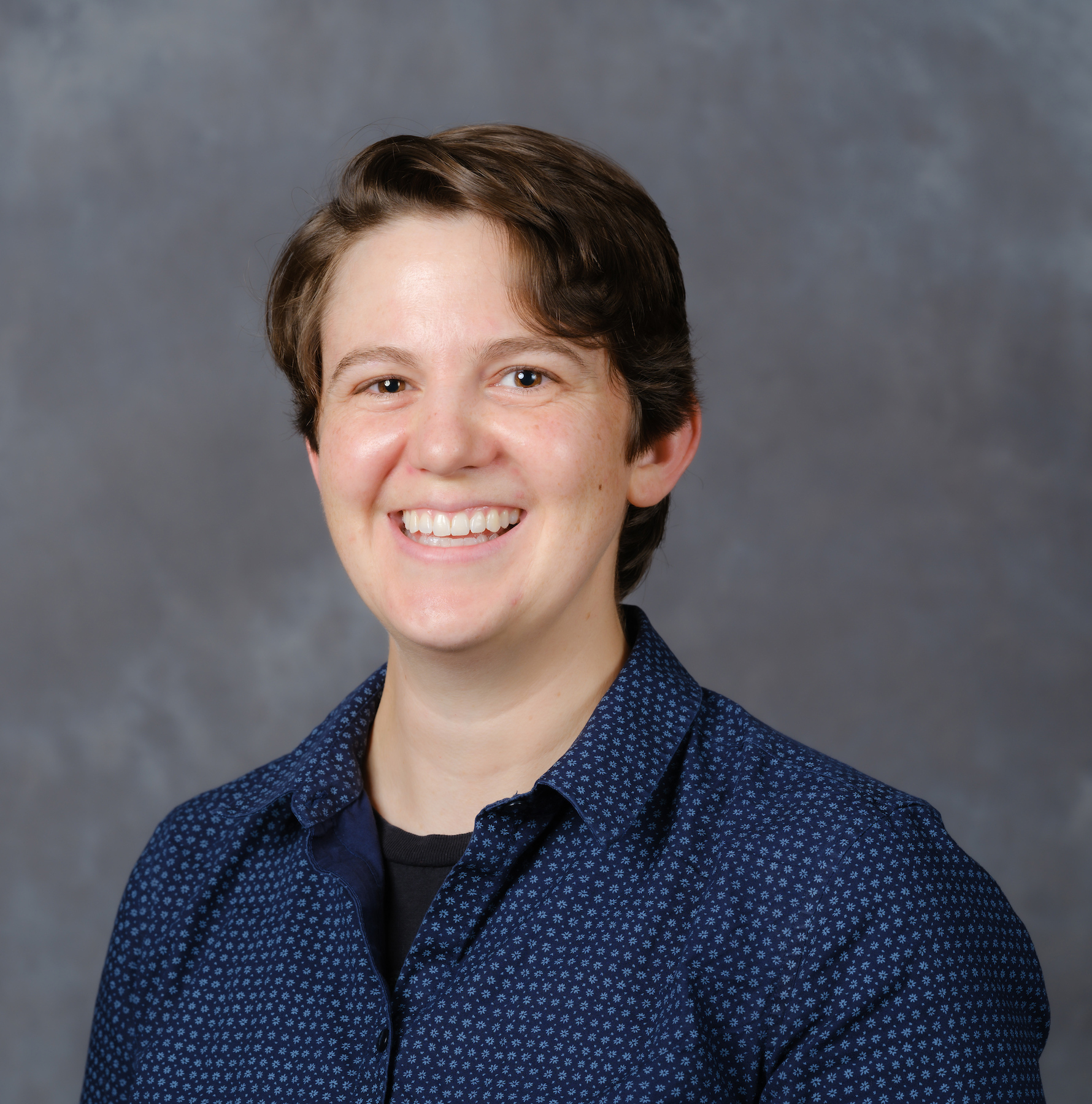
Associate Professor of Engineering and Associate Engineering Chair Tricia Clayton was recently named a 2026 Fellow by the American Society of Civil Engineers (ASCE). This distinction is held by only 3% of the organization’s members and honors Clayton’s years of service shaping civil engineering education at the national level. She currently serves as chair of the national ASCE Committee on Workforce and Education and has spent seven years on the ASCE Committee on Faculty Development, where she has managed the ASCE Excellence in Civil Engineering Education Teaching Workshop, the same program she credits with much of her success as an educator.
Being recognized by ASCE provides visibility for the work Clayton has performed for the organization and the role ASCE plays in advancing engineering education and curricula nationwide. Since the Wake Forest Engineering program is only nine years old, Clayton believes recognition as an ASCE Fellow will raise awareness of the remarkable work being done at the University. “Many people in the civil engineering profession are not aware of our program,” said Clayton. “With the recognition of being a Fellow of ASCE, I hope that more people in civil engineering will be aware of the innovations in engineering education that are happening at Wake Forest.”
Clayton said her scholarship has also been shaped by her work with ASCE. “As I have been heavily involved with ASCE’s faculty development and education innovation efforts, I have been able to integrate this work into my scholarship,” she said. “This includes work investigating the effectiveness of faculty development programs delivered in different in-person and online modalities and how civil engineering curricula can adjust to the changing landscape of the profession with the advancements in AI.”
At Wake Forest, Clayton enjoys collaborating with colleagues in engineering and across the University. She also values the freedom and support to experiment with new approaches that enhance student engagement and learning. The program’s small class sizes and close faculty-student relationships make it easier to incorporate hands-on activities that connect engineering concepts to real-world problems, something Clayton says helps bring theory to life for students.
Clayton holds a Ph.D. and a Master of Science in Civil Engineering from the University of Washington and a Bachelor of Science in Civil Engineering from North Carolina State University.
Categories: Awards & Recognition